Plant analysis

Plant analysis

In addition to phytopathology and herbology, IDENTXX has continuously developed its plant analysis capabilities.
Discover the potential of modern molecular biology for your plant production.

DNA

Species identification

In some cases, the phenotype does not allow conclusions to be drawn about the species. Or characteristics such as leaves or flowers are not present.

In these cases, molecular species identification is the right analytical tool for your question.

chromosome

PIWI breeding

In addition to traditional phenotypic selection, modern plant breeding relies on molecular methods.

IDENTXX supports grapevine breeders with the analysis of genetic markers for the development of fungus-resistant grapevines.

genetics

Epigenetics

Epigenetics refers to the phenomenon where external influences have a lasting effect on the reading of genes without altering the base sequence.

This is based on the methylation of individual DNA building blocks, which IDENTXX can analyze for you.

DNA

Species identification

In some cases, the phenotype does not allow conclusions to be drawn about the species. Or characteristics such as leaves or flowers are not present.

In these cases, molecular species identification is the right analytical tool for your question.

chromosome

Marker-assisted selection

In addition to traditional phenotypic selection, modern plant breeding relies on molecular methods.

IDENTXX supports grapevine breeders with the analysis of genetic markers for the development of fungus-resistant grapevines

genetics

Epigenetics

Epigenetics refers to the phenomenon where external influences have a lasting effect on the reading of genes without altering the base sequence.

This is based on methylation of individual DNA building blocks, which IDENTXX can analyze for it.

Application areas of marker-assisted selection

Breeding new varieties is the key to ensuring reliable plant production. From the initial crossbreeding to a marketable new variety, years of intensive breeding work often pass. IDENTXX accompanies your development process with molecular biological analyses. Track how individual genes or markers become established in the offspring. We require only small amounts of leaf samples for the analyses, which allows for the selection of suitable offspring at an early stage of development. This not only saves costs but can also significantly accelerate the entire breeding process.

Vitis vinifera (grapevine)

Fungus-resistant grapevines, or PIWIs for short, make it possible to significantly reduce or even completely eliminate fungicide applications. This is a real benefit for the environment and therefore also for people.
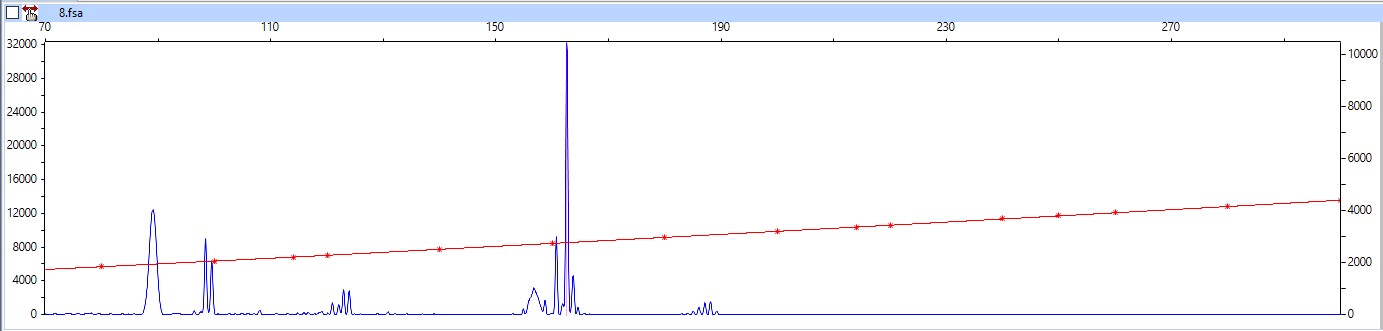
Intensive research at universities and government institutions has identified genetic markers that are inherited along with resistance traits. Fragment length analysis allows these genetic segments to be precisely determined and evaluated.

What can be investigated?

Based on our experience, we can examine all types of tissue, from leaves to wood. The younger and fresher the material, the faster the examination can be carried out.

The growth of young grape leaves in the nursery
Available resistance markers of the grapevine

We can currently analyze the following resistance markers for you:

Sampling procedure – Marker-assisted selection

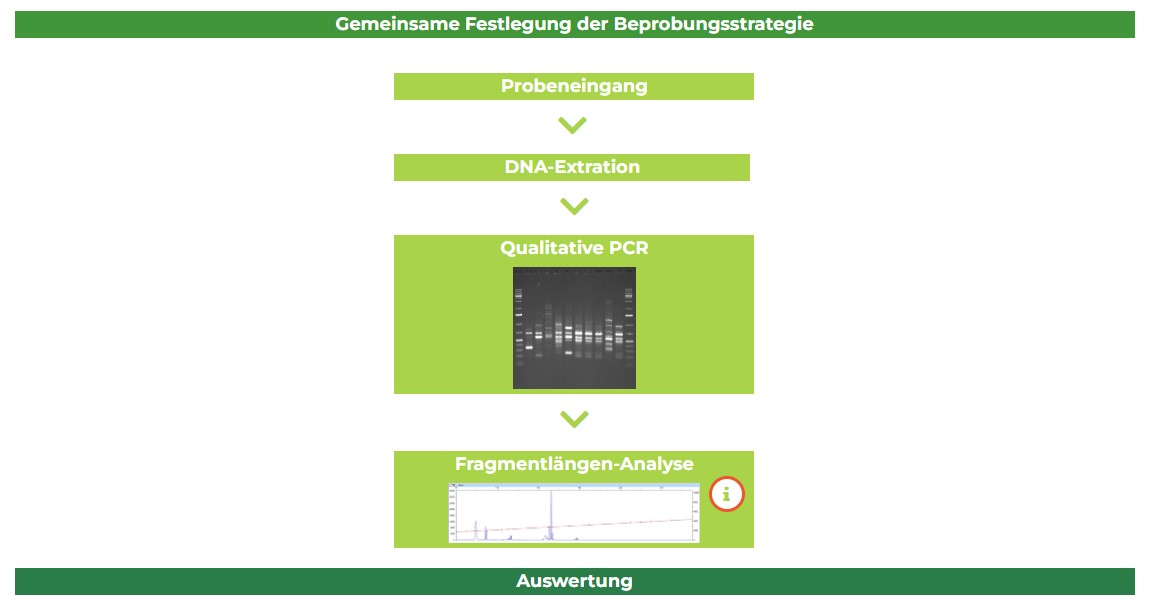
Joint determination of the sampling strategy

Sample receipt

DNA extraction

Qualitative PCR

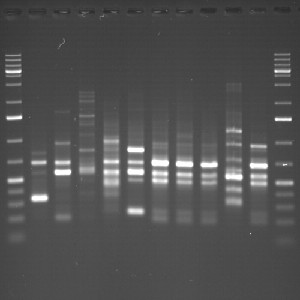
Endpoint print

Fragment length analysis

Evaluation

Areas of application: Species identification

Molecular biological species identification allows for classification when the phenotype is unclear or insufficient tissue is available for classical identification. Utilize this advantage, for example, in the following applications:

Ginkgo biloba

The female flowers and fruits of Ginkgo biloba produce butyric acid, which humans find unpleasant. However, this species only flowers very late (over 20 years), which can cause problems, especially in public green spaces.

With IDENTXX's sex-differentiating PCR, you have the opportunity to quickly, easily, and cost-effectively obtain clarity about your Ginkgo tree.

Root examination

When roots cause damage to private or public structures, the question arises as to which plants are responsible. If this is not immediately apparent, molecular species identification can help. This not only saves you the expensive process of tracing the plant's origin through excavation, but is also significantly faster.

Review of the samples
hybrid

In some cases, hybrids of two species cannot be visually distinguished from their parents.

In this case too, sequencing certain gene segments can provide information about the kinship relationships of the sample under investigation.

Sampling procedure – species identification

Molecular species identification can be performed using various strategies. We will determine which test setup is right for your needs in a free initial consultation.

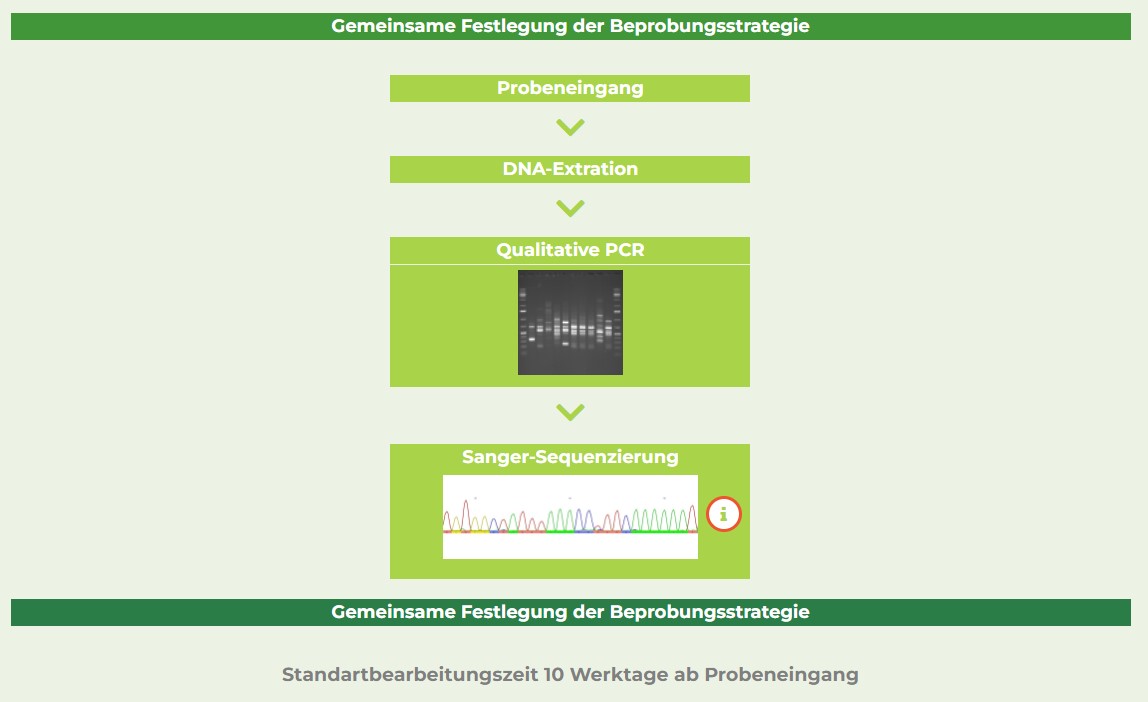
Joint determination of the sampling strategy

Sample receipt

DNA extraction

Qualitative PCR

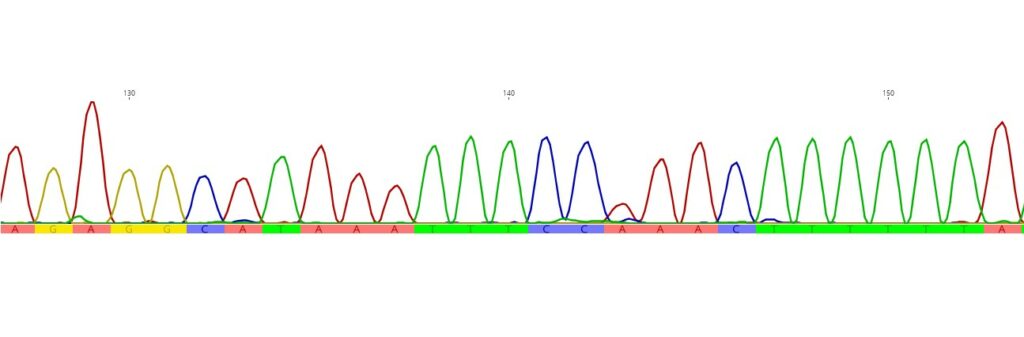
Sanger sequencing

Sequence 2

Standard processing time: 10 working days from receipt of sample

Application area: epigenetics

In plant breeding, the use of epigenetic information is an innovative approach. New traits arise by switching genes on or off without altering the plant's fundamental genetic code.

DNA methylation

The fundamental process behind epigenetics is the methylation of certain DNA building blocks. The most important methylation process for analysis is the modification of cytosine to methylcytosine.

Analysis method

To determine methylation patterns, we used a combination of different techniques. After DNA extraction, the genome first undergoes a bisulfite reaction. This converts unmethylated cytosines to uracils, while methyl cytosines remain unchanged. Subsequent qualitative PCR, combined with pyrosequencing, then allows us to determine the methylation patterns of the desired DNA segment.

DNA research
What can be investigated?

Based on our experience, it is possible to examine all types of tissue; everything is possible, from leaves to roots.

Who is this method suitable for?

You are a plant breeder and have information about possible epigenetically modified breeding lines and want to pursue these further in your selection process.